petcare foi ativado muito cedo. Isso geralmente é um indicador de que algum código no plugin ou tema está sendo executado muito cedo. As traduções devem ser carregadas na ação init ou mais tarde. Leia como Depurar o WordPress para mais informações. (Esta mensagem foi adicionada na versão 6.7.0.) in /home4/bestfrie/public_html/wp-includes/functions.php on line 6131redux-framework foi ativado muito cedo. Isso geralmente é um indicador de que algum código no plugin ou tema está sendo executado muito cedo. As traduções devem ser carregadas na ação init ou mais tarde. Leia como Depurar o WordPress para mais informações. (Esta mensagem foi adicionada na versão 6.7.0.) in /home4/bestfrie/public_html/wp-includes/functions.php on line 6131
26 fev | Posted by Cortez | no comments |
The psychology behind gambling is a complex interplay of human behavior and cognitive processes. Players often experience a blend of excitement and anxiety when engaging in games of chance, which can lead to various psychological responses. For instance, the anticipation of a win can trigger a release of dopamine in the brain, creating a euphoric rush that reinforces the desire to play. This high-stakes environment can influence decision-making, making it crucial to understand how psychological factors contribute to winning at casinos; for instance, you can get more insights here to further explore this topic.

Furthermore, cognitive biases, such as the illusion of control, can cloud judgment. Many gamblers believe that they can influence outcomes, which may lead them to take more risks than they normally would. This belief not only affects their gambling habits but also their perception of luck, often blurring the lines between skill and chance.
The casino environment plays a significant role in shaping players’ experiences and behaviors. The design, lighting, sounds, and even the scent of a casino are all meticulously crafted to enhance the thrill of gambling. For example, bright lights and alluring sounds can create a stimulating atmosphere that encourages more prolonged engagement. This sensory overload can lead to impulsivity, where players may make hasty decisions in pursuit of seemingly imminent rewards.
Additionally, the presence of other gamblers can influence individual behavior. Social dynamics, such as observing others win, can enhance the belief in one’s luck. This sense of community and shared excitement can foster an environment where players feel more emboldened to take risks, believing that luck is on their side.
Luck is often perceived as an arbitrary element that governs the outcomes of casino games. However, understanding the psychology behind luck reveals that it is not merely a random occurrence. Players tend to attribute their successes or failures to luck, which impacts their future gambling behavior. The belief that luck can be manipulated or summoned can lead to gamblers engaging in rituals or superstitions, further complicating their relationship with chance.
Moreover, the narrative surrounding luck contributes to the allure of casinos. The stories of big winners circulate among players, creating a mythos around the concept of luck that draws others to the tables. This can lead individuals to gamble with the hope that they too will experience a lucky streak, reinforcing the cycle of gambling despite the odds being fundamentally against them.
Personal beliefs and past experiences play a crucial role in shaping a gambler’s approach to luck and winning. Those who have had prior successes may develop a heightened sense of confidence in their ability to win again, often disregarding the negative aspects of gambling. This overconfidence can skew one’s understanding of risk and reward, leading to continued investment in gambling activities.
Conversely, negative past experiences can result in a more cautious approach. Players who have faced significant losses may be more analytical in their decision-making, evaluating their strategies rather than relying on luck. Understanding this psychological spectrum allows for a deeper insight into why certain individuals are more prone to winning at casinos, as it illustrates how personal narratives directly influence gambling behavior.
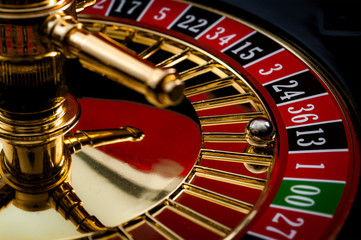
Exploring the psychological dynamics of gambling can empower players to make more informed decisions. It is essential to utilize available resources that delve into the complexities of gambling psychology. Websites dedicated to this subject can provide valuable information, offering insights into both the risks and rewards associated with gambling behaviors.
For those interested in understanding their own gambling habits or seeking assistance, various platforms can offer support and guidance. Engaging with these resources can lead to a more conscious approach to gambling, helping individuals to recognize the influence of psychological factors and make choices that align with their personal goals and limits.

© Best Friend Pet 2018. Todos os direitos reservados. Desenvolvido por Agência Prana Digital.