petcare foi ativado muito cedo. Isso geralmente é um indicador de que algum código no plugin ou tema está sendo executado muito cedo. As traduções devem ser carregadas na ação init ou mais tarde. Leia como Depurar o WordPress para mais informações. (Esta mensagem foi adicionada na versão 6.7.0.) in /home4/bestfrie/public_html/wp-includes/functions.php on line 6260redux-framework foi ativado muito cedo. Isso geralmente é um indicador de que algum código no plugin ou tema está sendo executado muito cedo. As traduções devem ser carregadas na ação init ou mais tarde. Leia como Depurar o WordPress para mais informações. (Esta mensagem foi adicionada na versão 6.7.0.) in /home4/bestfrie/public_html/wp-includes/functions.php on line 6260
14 jun | Posted by Cortez | no comments |
A red, swollen, or bumpy nose is often chalked up to alcohol use, sometimes with nicknames like “whiskey nose” or “rum blossom” tossed around as if they’re medical terms. But in a worst-case scenario, rhinophyma alcohol developments can affect mood, job, and social opportunities. Plus, alcohol rhinophyma can disrupt sleep and other crucial functions.
New research has brought the connection between rhinophyma and alcoholism into question. Rosacea, which is closely related to many of the symptoms of rhinophyma, has been linked to alcoholism or the heavy consumption of alcohol. Treatment for a purple nose depends on addressing its underlying causes. Dermatological treatments such as laser therapy or topical medications can reduce redness and inflammation. Lifestyle changes, including reducing the Twelve-step program use of alcohol, avoiding triggers, and maintaining a healthy diet, are essential for long-term improvement.
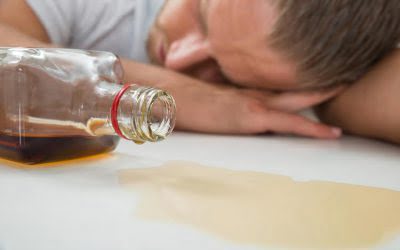
People with rhinophyma often have other manifestations of rosacea, including facial flushing, persistent redness, papules and pustules resembling acne, and eye irritation or dryness. Some individuals may also have seborrheic dermatitis or other inflammatory skin conditions. Studies have shown that many people with rhinophyma have little to no history of alcohol abuse, while many heavy drinkers never develop the condition. This evidence clearly demonstrates that alcohol consumption is not the direct cause of rhinophyma, though it may act as a trigger for those genetically predisposed to rosacea. There are several less alcoholic nose images informal terms that have been used to describe alcoholic nose that may be more commonly used. These include drinkers’ nose, whiskey nose, gin nose, or old man nose.
While rhinophyma is often dubbed “alcoholic nose,” the reality is that it’s a type of rosacea — meaning that heavy drinking isn’t actually linked to it. Rhinophyma has historically been referred to as alcoholic nose due to the incorrect belief that alcohol consumption may lead to the condition. That said, alcohol and caffeine can both temporarily dilate blood vessels, which seems to worsen rhinophyma. Don’t let stigma or misconceptions prevent you from seeking help for either skin conditions or substance use issues. Both are medical conditions that respond well to appropriate treatment, and addressing them can lead to significant improvements in health, appearance, and quality of life.
Rosacea has four subgroups, with rhinophyma usually being considered the worst of them. It is a progressive and chronic skin condition that develops over the course of several years. Currently, rhinophyma is believed to be the result of leaving less severe rosacea symptoms untreated. It was formerly believed that outsized alcohol use was the reason for Rhinophyma.
However, sun exposure remains a significant risk factor regardless of geographic location. Rhinophyma typically progresses through several stages, beginning with mild redness and sensitivity that may come and go. Early signs often include persistent redness of the nose, increased sensitivity to touch or temperature changes, and occasional burning or stinging sensations. The longer tissue overgrowth remains on the skin, the more likely it is to become permanent.

If left untreated, infections may develop due to trapped bacteria in the skin. It’s essential to consider the whole picture and not just focus on the face when identifying alcoholism. Early intervention with medication can have significant benefits, though medication is less effective in more severe cases.
Some other symptoms include lumpy, thickened skin and broken blood vessels. Many people with rhinophyma achieve excellent results with appropriate treatment. Modern surgical techniques can restore near-normal nasal appearance even in severe cases, while medical management can prevent progression and improve symptoms in earlier stages. Psychological support can be an important component of rhinophyma treatment, particularly for people dealing with significant emotional distress related to their appearance.

© Best Friend Pet 2018. Todos os direitos reservados. Desenvolvido por Agência Prana Digital.